Where Would One Even Begin?
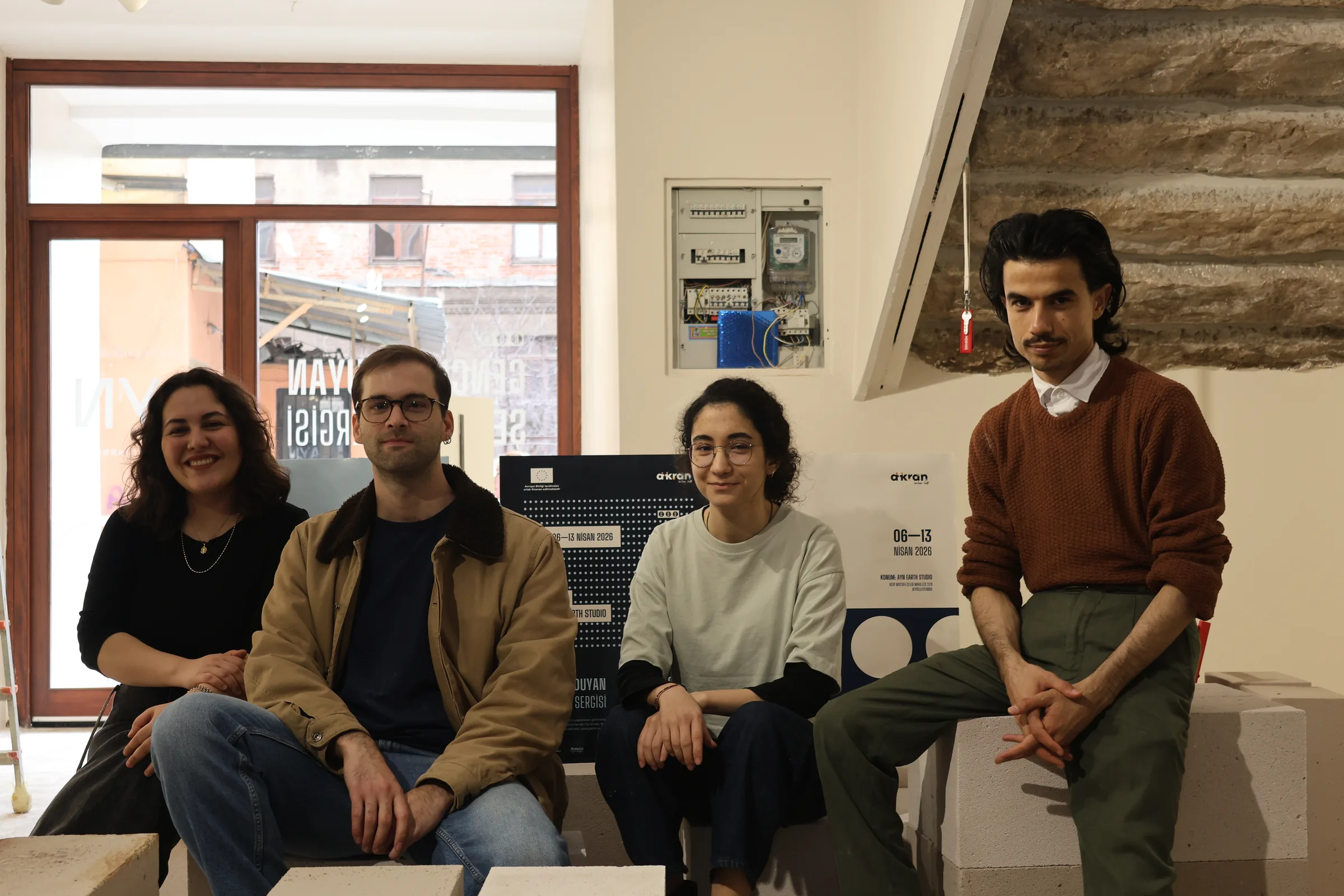
Sometimes, staring down the start of a project, I don't know where to begin. There are moments spent gazing out the window, watching the sun until the harsh light strains the eyes: Where to start, and how? In studio°NUS’s practice, sitting at the table without an immediate roadmap is simply a natural part of the process. As you test, debate, and strip things back to square one when necessary, the search itself becomes the reward.
"Sometimes we obsess over a single line for days; other times, we debate a single concept for hours."
Looking Inward First
Before sitting down at the design table, the critical question is rarely "how do we draw this?" Instead, it is "what kind of world are we actually looking at?" What is the story behind the brand, what is its tension, what does it stand for?
Most of the answers design demands are already embedded in the brand's own texture. Our role is simply to capture the right nuances and give them form through a coherent visual system.
In Commune, the identity had to carry two distinct axes at once: grounding itself in the concrete boundaries of a physical space on one side, while reflecting the fluid, abstract relationships of a community on the other. In Nadir Flora, we gathered a spectrum of meanings into a single graphic framework—one structured enough to communicate a closed-loop system, yet flexible enough to expand across touchpoints.
In both, the solution lay in the brand’s inherent dynamics.
"This is why we prioritize uncovering the brand's core context before jumping into technical solutions."
What Remains Behind
Occasionally, the initial concept or core philosophy you fall in love with doesn't translate seamlessly into the visual language as the project unfolds. The feeling in your head simply doesn't land on screen or in print.
Early in the Pack+t process, we had built an entire narrative around a mascot. Its gestures, stance, and even its name guided our direction. For a while, we filtered everything through that character. Yet as production evolved, we realized this approach softened the direct, structured tone the packaging and brand truly required. We set the mascot and weeks of sketches aside, wiping the slate clean to pursue a much sharper, typographic route.
These decisions are sometimes guided by client feedback, and other times by our own critical eye. But dismantling an idea and starting from zero brings an indispensable clarity to the work.
“Learning to let go of an idea is just as vital as knowing how to build one.”
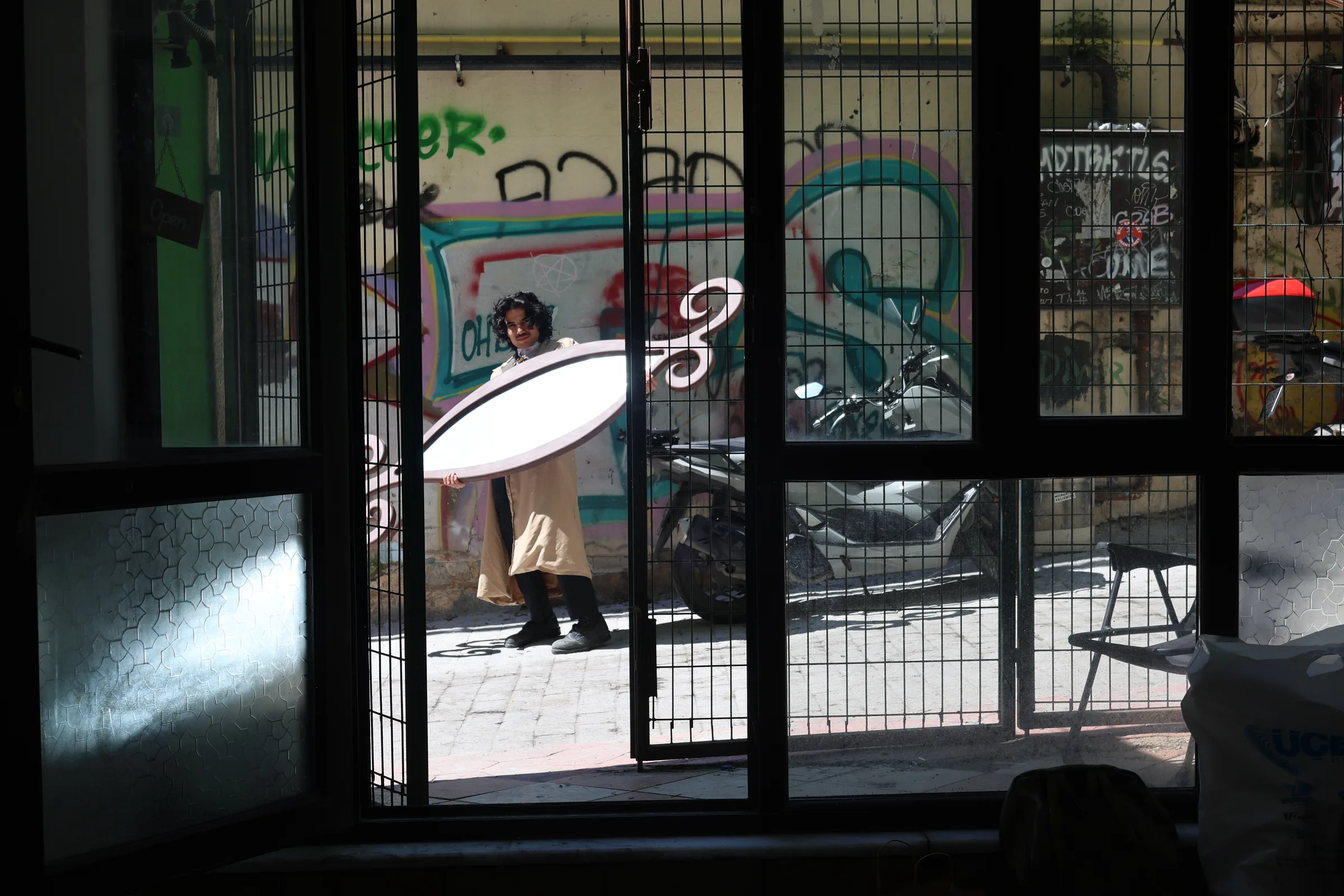
We thrive on being deep in the workshop of every project. Walking alongside a brand to see what can be drawn out along the way keeps the studio agile. During the Pack+t shoot, turning the studio's full-length mirror toward the window to catch the afternoon light at just the right angle was a small, raw moment of that experimental mindset. Design doesn’t stop at the screen; it keeps taking shape wherever light, scale, and material meet.
Moving Forward
I joined studio°NUS as an architecture student; today, I continue that journey as an art director. Each project introduces a new dynamic—sometimes breaking an assumption I took for granted, other times opening a door I never anticipated.
What matters most to me here is not being expected to know every answer from the outset. Testing, misstepping, letting go, and rebuilding remain the truest elements of creation.